
Home safety & airflow
Dryer Vent Cleaning
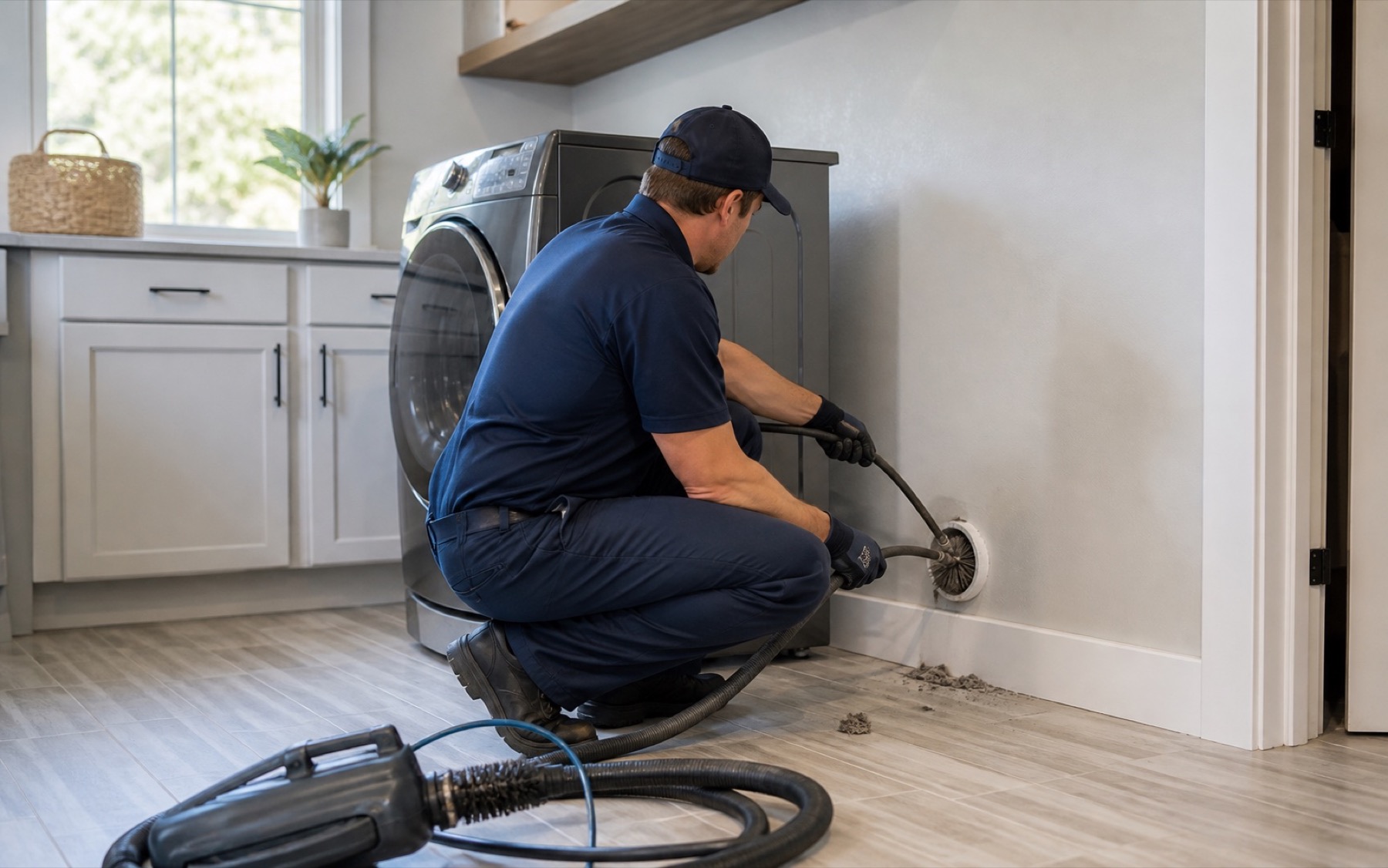
A restricted dryer vent can make clothes take longer to dry, cause excess heat around the appliance and leave lint trapped in the exhaust path. We clean accessible residential dryer vent runs, check airflow and explain any routing or termination concerns we observe.
✓ TSBC licensed✓ Lower Mainland service✓ Clear options
BOOST SERVICE STANDARDAssess. Explain. Verify.
Complete support
Help for the system you have—and the comfort you want.
Every home and installation is different. We identify the equipment, understand the concern and tailor the work to the actual conditions.
Discuss your system ↗Lint and debris removal
✓Exterior termination inspection
✓Airflow check before and after cleaning
✓Long-run and multi-bend vent assessment
✓Visible connection and routing observations
✓Why the details matter
Performance starts before
the system turns on.
Better exhaust airflow
Removing accumulated lint helps the dryer move warm, moist air outdoors more effectively.
Shorter drying cycles
A clearer vent can reduce the extra time and energy caused by a restricted exhaust path.
A safer laundry area
Routine cleaning helps reduce one source of dryer overheating and lint-related fire risk.
When to call
Changes worth checking.
Small changes in sound, comfort, energy use or operation can be useful early warnings. If anything appears unsafe, turn the equipment off and call.
Call (778) 791-6460Clothes need more than one cycle to dry
The dryer or laundry room feels unusually hot
A burning or musty smell appears during operation
Little airflow reaches the exterior vent
Lint is collecting around the exterior termination
Your service visit
A simple, visible process.
You know what is happening, what has been found and what comes next.
Inspect
We review the dryer connection, accessible vent route and exterior termination.
Clean
Professional tools dislodge and collect lint from the accessible exhaust run.
Check airflow
We confirm the vent is exhausting and note visible routing, damage or termination concerns.
Dryer Vent Cleaning FAQ
Questions homeowners ask.
These answers provide a useful starting point. Equipment and homes still need individual assessment.
Browse all HVAC questions ↗01How often should a dryer vent be cleaned?+
Annual cleaning is a practical starting point for many homes. High laundry use, long vent runs, multiple bends or reduced airflow may justify more frequent service.
02What are the warning signs of a clogged dryer vent?+
Long drying times, excess heat, a hot or musty laundry room, lint near the outdoor vent and weak exterior airflow are common signs that the exhaust path should be checked.
03Is cleaning the lint screen enough?+
No. The lint screen should be cleaned after each load, but fine lint can still collect in the hose, concealed duct and exterior termination.
04Can you clean a long or roof-exiting dryer vent?+
Many long and roof-exiting runs can be cleaned, depending on access and the vent condition. Share the vent location when booking so the appropriate service approach can be confirmed.
05What affects dryer-vent cleaning cost?+
Vent length, number of bends, termination location, roof or exterior access, disconnections and the degree of buildup can affect service scope.
06Can a clogged dryer vent damage the dryer?+
Restricted exhaust can increase heat and operating time, placing additional stress on the appliance. Cleaning the vent helps address the airflow side of the system.
07Why is lint collecting behind my dryer?+
A loose, crushed or damaged connection may be leaking lint into the room. The connection and accessible exhaust path should be inspected.
08How should I prepare for dryer-vent cleaning?+
Remove laundry and stored items around the appliance, and ensure the technician can access the dryer connection and exterior termination where practical.
READY TO TALK?
Start with a clear assessment.
Tell us about the system and what you are experiencing.