Begin with diagnosis and safety
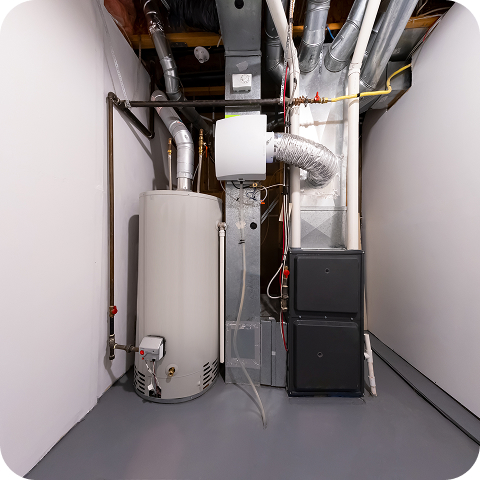
A furnace that will not start may have a simple control or airflow issue, or it may have a more serious combustion, heat-exchanger or venting concern. A decision made before diagnosis can lead to unnecessary replacement or repeated repairs.
Safety-related findings deserve priority. The technician should explain the condition, the evidence and whether the equipment can remain in service while options are considered.
- Confirm the fault before comparing options
- Ask for safety findings in plain language
- Do not bypass safety controls to keep the furnace running
When repair often makes sense
Repair may be sensible when the fault is limited, the furnace has been reliable, parts are available and the rest of the system is in reasonable condition. A newer furnace with one failed component is not automatically a replacement candidate.
Also consider whether a repair buys useful planning time. It can allow electrical, ductwork, rebate or renovation decisions to be made without rushing during a cold-weather failure.
- Isolated, repairable fault
- Good service history
- Reasonable parts availability
- Repair restores safe, dependable operation
When replacement deserves consideration
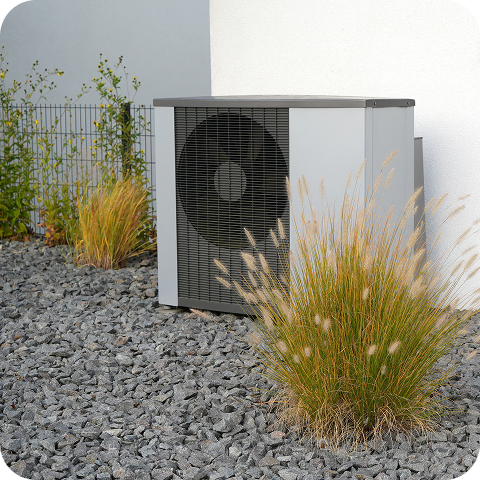
Repeated failures, major safety concerns, expensive component replacement, poor comfort and obsolete venting can strengthen the case for replacement. The decision is also an opportunity to compare a new furnace, heat pump or dual-fuel system.
Efficiency alone rarely pays for an unnecessary early replacement. It is more useful to compare total project cost, expected operating changes, comfort benefits and the likelihood of further repairs.
- Frequent or escalating repairs
- Major safety or venting concerns
- Persistent comfort and airflow problems
- A planned shift to heat-pump heating and cooling
What a replacement estimate should include
A good estimate identifies equipment capacity, efficiency, venting, gas and electrical work, thermostat or controls, duct transitions, removal and commissioning. The model number and warranty terms should be clear.
Ask how the equipment was sized and which existing problems the project will or will not solve. New equipment cannot correct every duct or building-envelope issue.
- Complete installed scope
- Sizing rationale
- Warranty and maintenance requirements
- Commissioning and homeowner handoff
Repair when it restores safe, dependable operation at sensible value. Replace when the full condition and long-term plan justify the larger project.