The basic difference
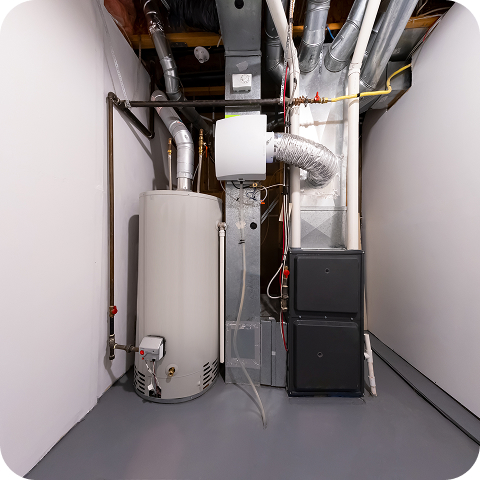
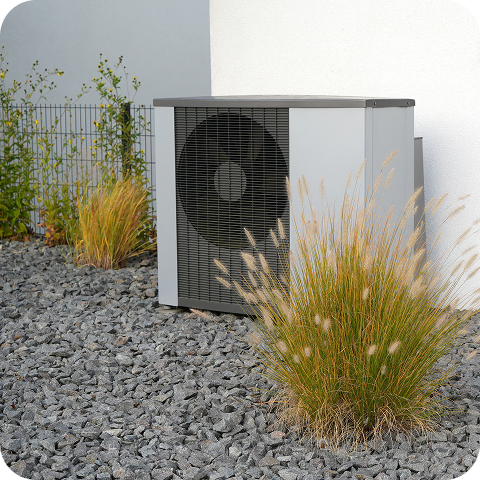
A gas furnace creates heat through combustion and distributes it through ductwork. A heat pump moves heat between indoors and outdoors using a refrigeration cycle. In summer, the cycle reverses to provide air conditioning.
That distinction affects energy source, electrical requirements, cooling capability and how the system feels during operation. Furnaces often deliver warmer supply air in shorter cycles. Heat pumps usually operate for longer periods with gentler, steadier airflow.
- Furnace: heating only, commonly natural gas
- Heat pump: heating and cooling from one system
- Dual fuel: heat pump paired with a furnace for backup or changeover
Climate and cold-weather performance
Metro Vancouver’s moderate winters are a strong fit for heat pumps. Fraser Valley communities such as Abbotsford and Chilliwack see colder nights, so equipment selection and capacity at low outdoor temperatures deserve extra attention.
A model’s headline capacity is not enough. The design should consider the home’s heating load, the equipment’s cold-weather output and the plan for unusually cold conditions. Backup can be electric, gas or another approved strategy depending on the building.
- Confirm cold-weather capacity, not only nominal size
- Account for defrost operation and outdoor-unit drainage
- Discuss a backup strategy before installation
Comfort, ductwork and noise
A new system cannot compensate for every distribution problem. Undersized returns, restrictive filters, disconnected ducts or poorly balanced branches can still leave rooms uncomfortable.
Outdoor-unit location also matters. Clearances, drainage, neighbour proximity, bedroom windows and future service access should be considered together. Ductless systems add another option where existing ductwork is absent or individual zones need control.
- Inspect existing supply and return airflow
- Plan outdoor-unit placement before choosing equipment
- Consider zoning only after understanding the distribution system
Cost and long-term planning
Installation cost can include electrical upgrades, new refrigerant lines, duct modifications, controls, equipment removal and code-related work. A furnace project may involve gas, venting and combustion-air considerations. A heat-pump project may offset a separate air-conditioning purchase because it provides both seasons of comfort.
Compare complete project scopes, expected maintenance and how long you plan to keep the home. Rebates can be helpful, but the system should still make sense without relying on an incentive that may change.
- Compare complete installed scopes
- Include cooling value when comparing options
- Check official rebate rules before purchase or installation
Choose the system after the home, ductwork, electrical or gas capacity and cold-weather plan have been assessed—not from equipment efficiency numbers alone.